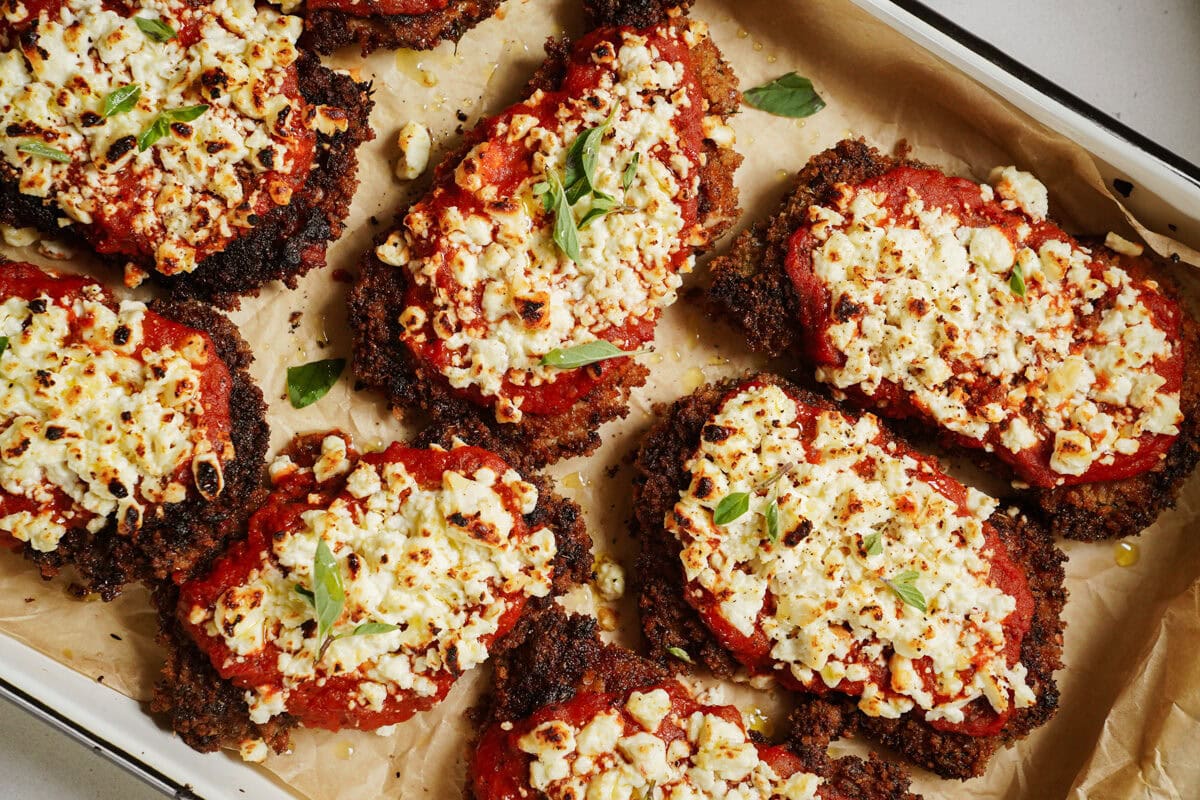
Feta vs. Parmesan: Why This Greek Cheese Stars in Chicken Parm
The classic Chicken Parmesan holds an undisputed place in the hearts of comfort food enthusiasts. Its irresistible combination of crispy, breaded chicken, rich tomato sauce, and gooey, melted cheese is a culinary triumph. But what if we told you there's a way to elevate this beloved Italian dish with a vibrant, salty, and utterly unforgettable Greek twist? Enter feta cheese. While Parmesan reigns supreme in traditional recipes, daring to swap it for the briny tang of feta transforms your `chicken parmesan with feta` into a Mediterranean masterpiece that will have your taste buds singing.
This isn't just about replacing one cheese with another; it's about reimagining a classic with a bold new flavor profile. Feta brings a unique character that not only complements the familiar components but also introduces an exciting depth and freshness, making it a standout star in this delicious fusion.
The Greek Revolution: Why Feta Shines in Chicken Parm
Feta cheese, with its distinctively salty and tangy profile, is a true game-changer when introduced to the world of Chicken Parmesan. Unlike Parmesan, which offers a deep, nutty, and umami-rich savoriness that melts seamlessly into the sauce, feta introduces a bright, sharp counterpoint. This briny kick cuts through the richness of the fried chicken and the sweetness of the tomato sauce, creating a beautifully balanced and incredibly appealing dish.
Imagine the crispy crunch of your breaded chicken, generously smothered in a vibrant marinara, and then topped with crumbled feta. As the dish bakes, the feta softens slightly, its edges developing a delicate warmth, while its inherent saltiness intensifies just enough to wake up every other flavor on the plate. It doesn't melt into a uniform blanket like mozzarella or Parmesan, but rather maintains its unique texture, offering delightful pockets of creamy, salty goodness with every bite. This makes your `chicken parmesan with feta` not just comforting, but also invigoratingly fresh and exciting. It's a testament to how a single ingredient can completely redefine a culinary experience, adding a "zing" that traditional Parmesan, while wonderful, simply can't provide.
Crafting Your Feta Chicken Parmesan: Tips for Success
Creating the perfect `chicken parmesan with feta` involves a few thoughtful considerations to ensure every element sings. The foundation, of course, is the chicken itself, followed by the perfect breading and sauce, and finally, the starring cheese.
Choosing and Preparing Your Chicken
The choice of chicken is crucial for this dish.
- Chicken Thighs: Many culinary adventurers prefer chicken thighs for their inherent juiciness and deeper, richer flavor. Thighs are more forgiving when fried and baked, staying moist even under high heat. Their robust taste pairs exceptionally well with the strong flavors of tomato and feta.
- Chicken Breasts: If you opt for boneless, skinless chicken breasts, ensure they are prepared correctly. Slice them thinly lengthwise (butterflying them) or pound them to an even 1/2-inch thickness. This ensures they cook quickly and evenly without drying out. Pounding also tenderizes the meat, creating a more pleasant texture.
Regardless of your choice, patting the chicken dry before breading is essential for achieving that coveted crispy crust.
Breading and Sauce Perfection
For the breading, a classic combination of flour, egg wash, and seasoned breadcrumbs works wonders. To lean into the Mediterranean theme, consider adding dried oregano, a touch of paprika, or even some finely grated lemon zest to your breadcrumbs. This infuses the chicken with an aromatic base that complements the feta beautifully.
The tomato sauce can be as simple as your favorite jarred marinara, elevated with a dash of fresh garlic and basil, or a homemade concoction simmered to perfection. A slightly sweeter, robust tomato sauce provides an excellent canvas for the salty feta to pop against.
Integrating the Feta
Here's where the magic truly happens. Unlike traditional Chicken Parm where cheese often melts into an invisible layer, feta makes its presence known.
- Crumbled on Top: The most common method is to crumble the feta generously over the chicken during the last 10-15 minutes of baking. This allows it to warm through, soften slightly, and release its aromatic oils without completely melting away.
- Mixed with Toppings: For an even richer and more complex topping, consider combining crumbled feta with other Mediterranean ingredients. Think wilted spinach, chopped sun-dried tomatoes (especially those packed in olive oil and herbs), and a sprinkle of fresh herbs like oregano or parsley. This creates a vibrant, multi-textured layer that transforms the dish from simple to spectacular. This approach gives you a taste of a Greek Chicken Parmesan with Feta: A Salty Mediterranean Twist that is truly unforgettable.
Beyond the Parm: The Versatility of Feta in Chicken Dishes
While its starring role in `chicken parmesan with feta` is undoubtedly impressive, feta's versatility extends far beyond this single dish. It's a culinary chameleon, capable of transforming a simple chicken recipe into an elegant, flavorful meal with minimal effort.
Consider the popular "Baked Feta Chicken" concept. Here, chicken breasts (often marinated in olive oil, lemon juice, garlic, and oregano for maximum tenderness and flavor) are topped with a creamy, tangy blend of feta cheese, spinach, and sun-dried tomatoes, then baked to perfection. This preparation is a testament to feta's ability to create a "fancy-feeling" meal that is secretly incredibly easy and often qualifies as a lighter, lower-carb option without sacrificing comfort or satisfaction. The combination of chicken with this rich, savory topping acts as a complete meal in itself, often requiring no additional sides.
Feta's unique properties make it ideal for a variety of chicken preparations:
- Salads: Crumbled feta adds a salty, tangy punch to grilled chicken salads, particularly those with a Mediterranean flair featuring olives, cucumbers, and tomatoes.
- Stuffed Chicken: Mix feta with herbs, breadcrumbs, or other cheeses to stuff into chicken breasts, creating a succulent, flavor-packed interior.
- Dips and Sauces: Whipped feta can create a creamy, tangy sauce to drizzle over pan-seared or roasted chicken, or serve as a vibrant dip alongside chicken skewers.
- One-Pan Wonders: Baked feta alongside chicken and vegetables (like cherry tomatoes, bell peppers, and zucchini) creates a hassle-free, flavorful sheet pan dinner, leveraging the cheese's ability to soften and release its delicious brine into the other ingredients.
Beyond its flavor, feta is also a relatively lower-fat cheese compared to many others, and it provides a good source of calcium, making it a healthy and flavorful addition to your diet. For more inspiration on healthier, simpler preparations, explore options like an
Easy Baked Feta Chicken: Healthy, Low-Carb Weeknight Meal.
Feta vs. Parmesan: A Flavor Profile Showdown
To truly appreciate why feta makes such an impact in `chicken parmesan with feta`, it's helpful to understand the fundamental differences in flavor and texture between it and its traditional counterpart, Parmesan.
*
Parmesan (Parmigiano-Reggiano): This iconic Italian cheese is hard, granular, and aged, offering a complex flavor profile that is deeply savory, nutty, and rich in umami. Its saltiness is profound but balanced by its other notes. When heated, Parmesan melts into a smooth, even layer, contributing to that classic gooey, stretchy cheese pull of traditional Chicken Parm. It blends harmoniously, enhancing the overall savoriness without typically dominating.
*
Feta: A soft, brined Greek cheese, feta is characterized by its distinct tanginess, pronounced saltiness, and crumbly texture. Its flavor is bright, sharp, and slightly acidic, with a unique creaminess when bitten into. Unlike Parmesan, feta doesn't melt into a smooth liquid; it softens, becomes slightly warm and more pliable, but largely retains its shape and textural integrity. This means it offers bursts of intense flavor and a pleasant textural contrast rather than uniform melt.
When choosing between the two for a dish like Chicken Parmesan, you're essentially deciding between two very different culinary experiences. Parmesan offers familiarity, depth, and a classic, comforting melt. Feta, on the other hand, provides an exciting, bold, and tangy twist that makes the dish feel lighter, more vibrant, and undeniably Mediterranean. It's a choice between savory blending and zesty popping.
Conclusion
The decision to incorporate feta into Chicken Parmesan is more than just a simple ingredient swap; it's an embrace of culinary creativity and a journey into exciting new flavor territories. The salty, tangy character of feta provides a refreshing counterpoint to the classic components of crunchy breaded chicken and rich tomato sauce, transforming a beloved dish into a vibrant Mediterranean sensation. Whether you're a devoted fan of Greek cuisine or simply looking to inject new life into your weeknight meals, making `chicken parmesan with feta` is a delightful adventure for your palate. So, next time you're planning dinner, dare to defy tradition and let this remarkable Greek cheese take center stage. You might just discover your new favorite way to enjoy Chicken Parm.